For parents and families navigating medical crises, a sense of comfort and optimism is often hard to find amidst sterile corridors and high-stress decisions. The physical spaces surrounding them can make an important difference in this, serving as a relief to them and everything they're going through, and providing room for creativity and joy.
When the Ronald McDonald House of Jacksonville renovated and built "Adventure Alley," a 2,200 ft family-oriented play area and hangout space, the design objective went beyond structural square footage. The challenge was to integrate evidence-based spatial design into the architecture of the Teen Room and Kid Zone areas to create optimistic, creative, and connective spaces for young people to spend time. Children and siblings facing profound challenges deserve joyful walls and fun hangout spots just as much as any other child, so our goal was to make that possible.
Slide title
Write your caption here
Button
Slide title
Write your caption here
Button
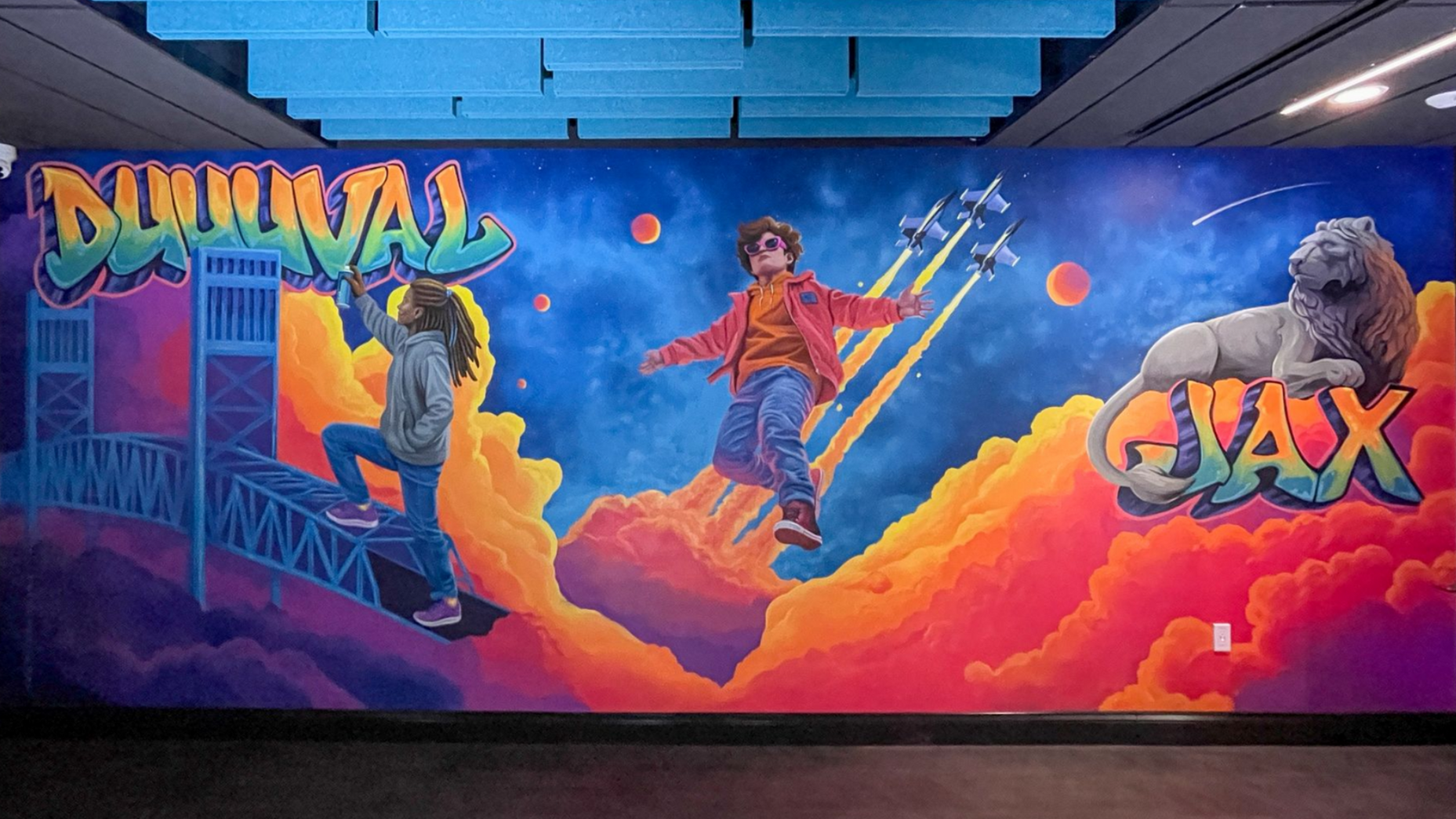
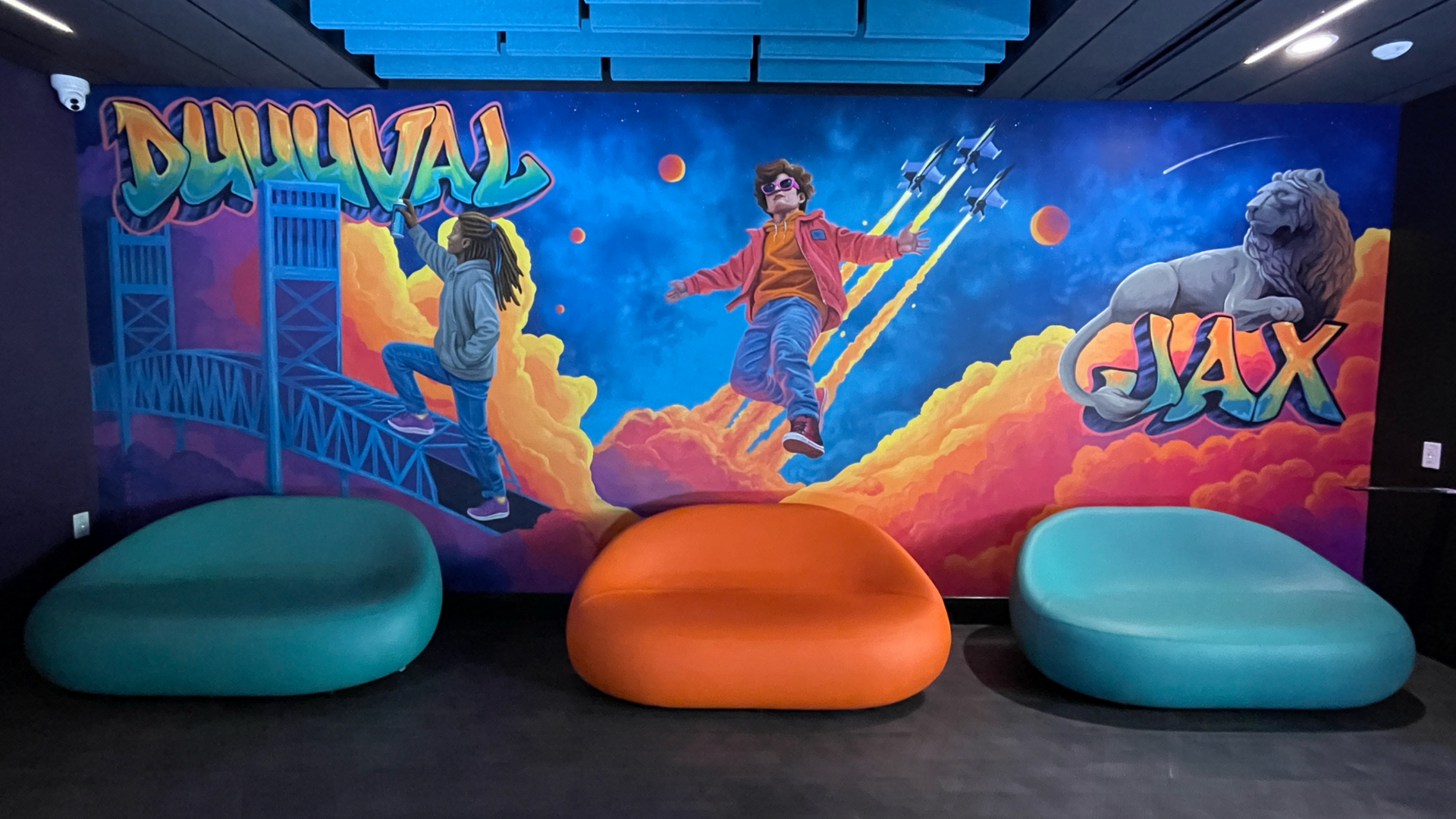
The Teen Room Mural
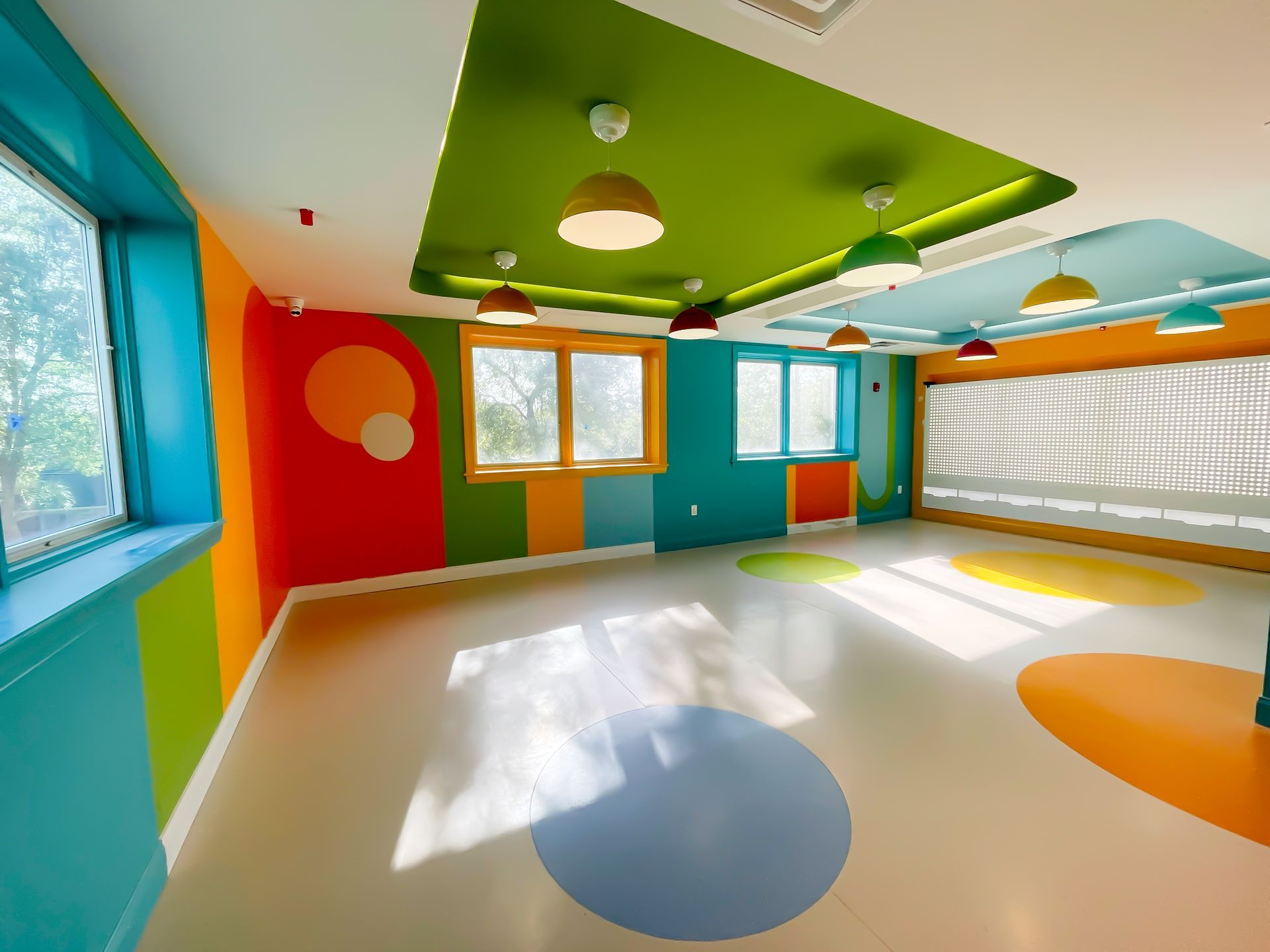
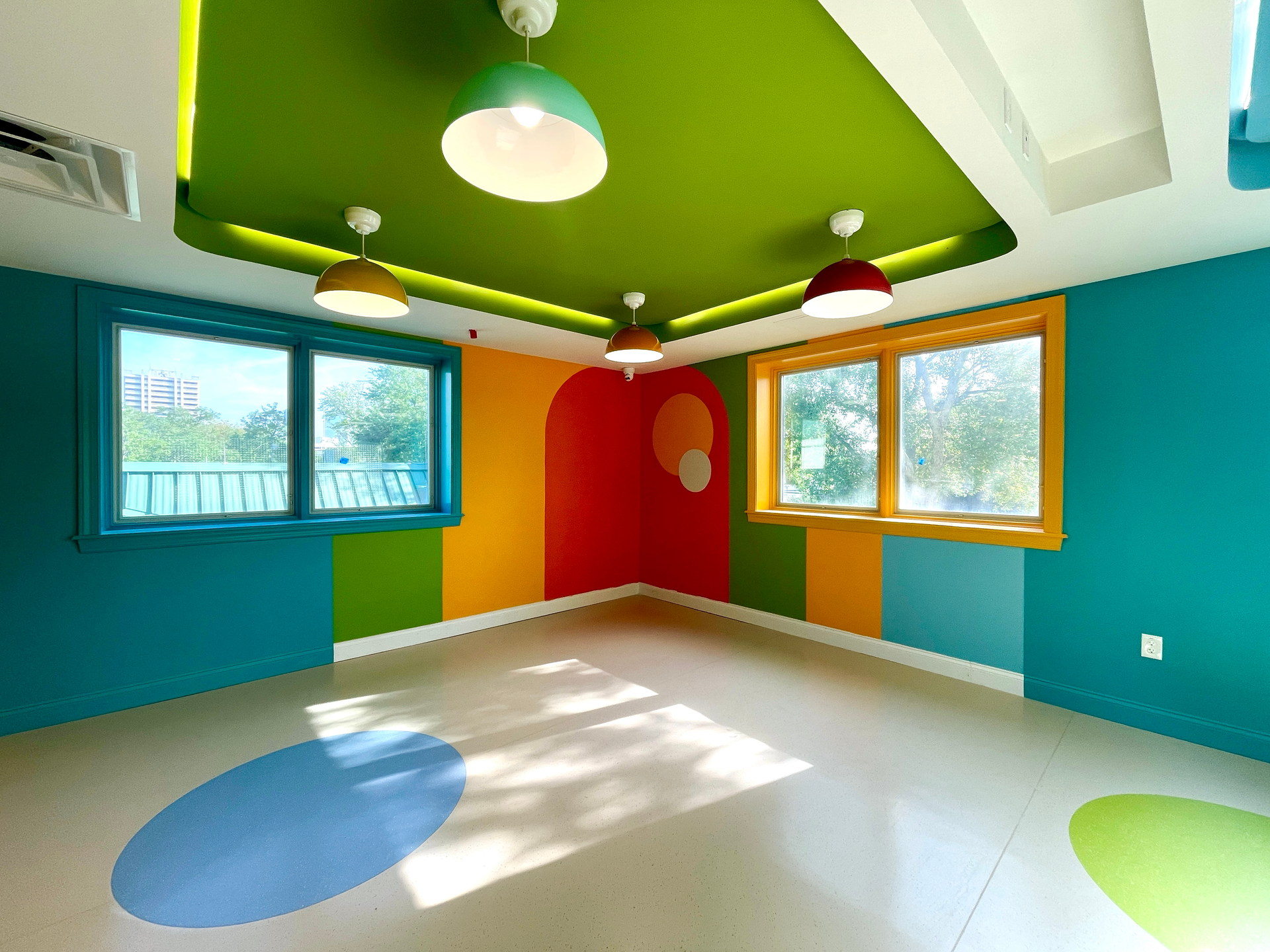
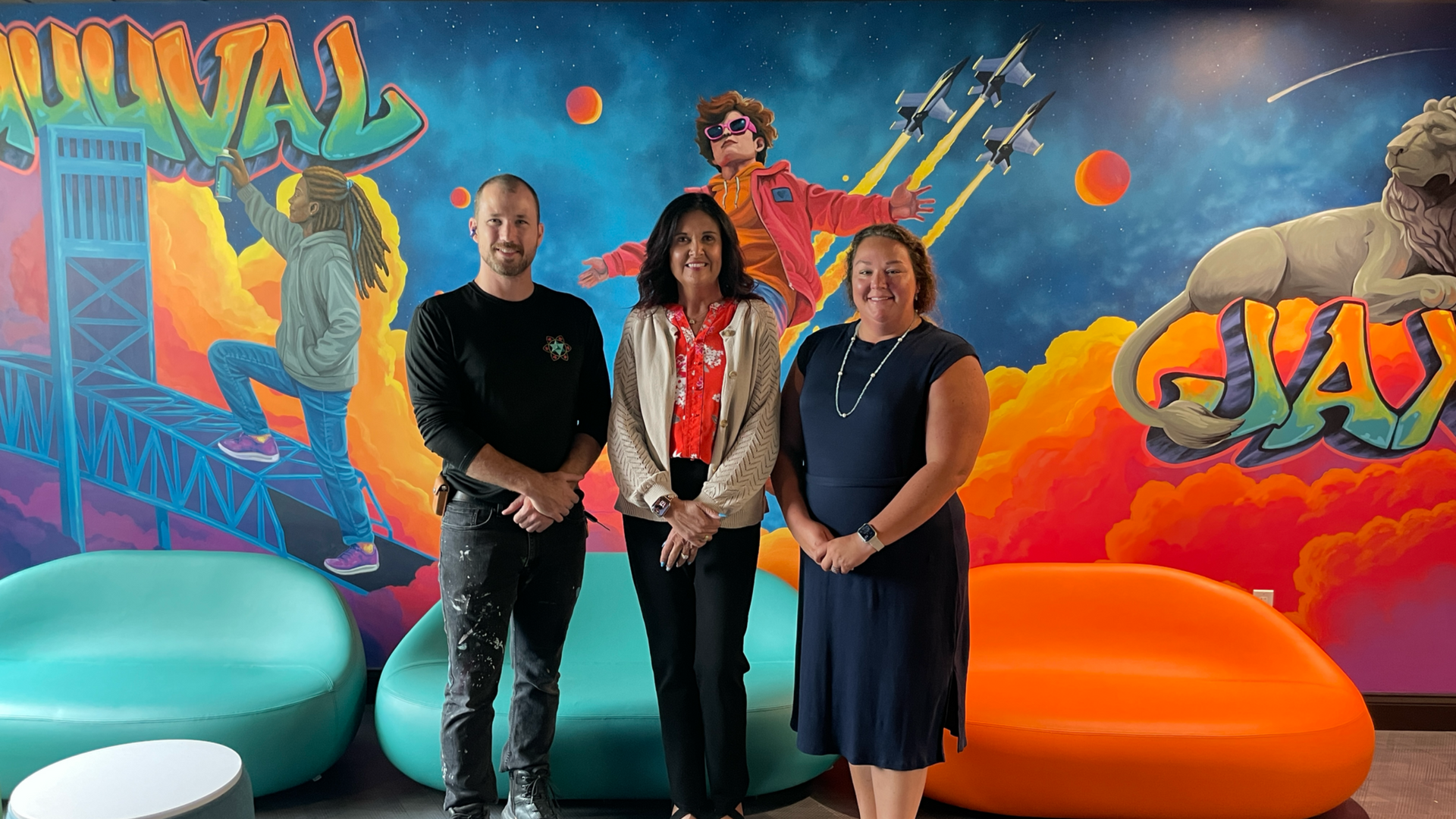
The Teen Room represents a months-long partnership with the Ronald McDonald House leadership, shaped by continuous communication, intentional revisions, and fine-tuning adjustments based directly on their feedback. This proactive process ensured that the final artwork met the precise needs of the organization while creating an authentic sense of belonging in the space. Celebrating local identity, the design pays homage to the Jacksonville area by featuring the iconic Main Street Bridge, the Blue Angels, and the San Marco Lion Statue. The result is an enriching, healing space where teens and families can step away from clinical routines, connect with peers, and find a sense of comfort and renewal.
The Fun-Zone Murals
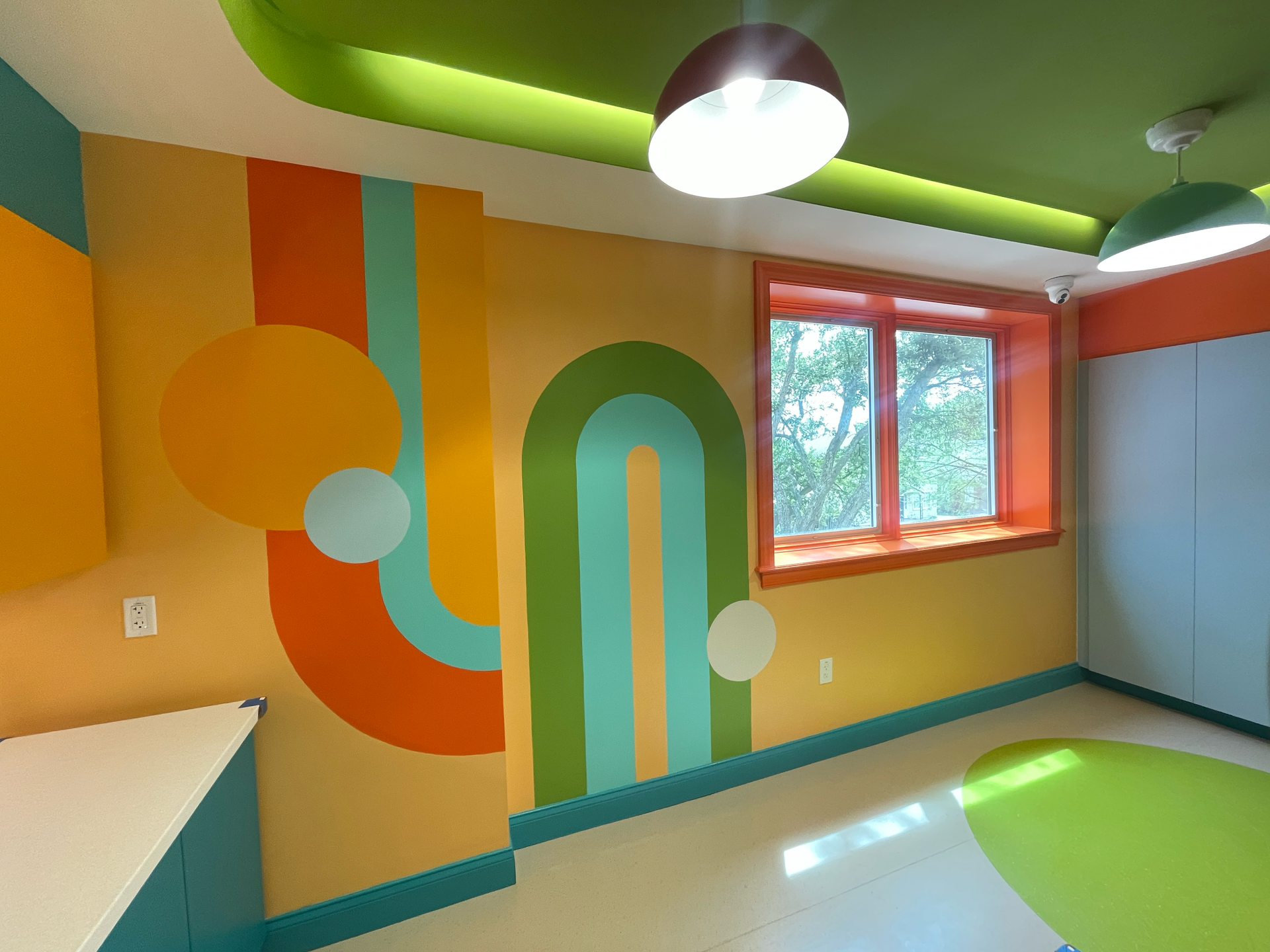
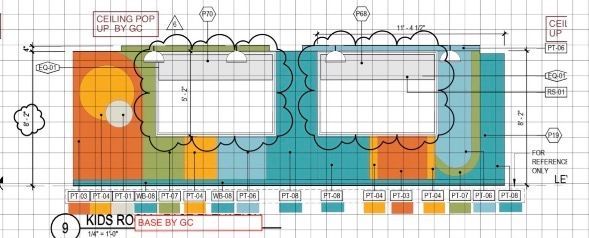
Working in close collaboration with the architectural design team, we painted the Fun Zone walls to reflect their precise color palette and design vision, creating a cohesive, fully integrated entertainment zone. This dedicated space serves as an uplifting, active play area and a hub for guided activities. By aligning our artistic execution directly with the architectural intent, we ensured the murals do not just sit on the walls, but actively participate in making the room a vibrant destination that invites constant interaction and play for children and families alike.
Spatial Design
In healthcare facilities, spatial design is a critical component of patient-centric care. Clinical environments that feel overly institutional can heighten patient anxiety and exacerbate staff burnout. Integrating purposeful public health placemaking into facilities is not an aesthetic afterthought; it is an operational strategy.
For the Ronald McDonald House in downtown Jacksonville, the walls were treated as a crucial touchpoint in delivering quality care to people in need. A well-executed mural signals organizational values, builds culture, and creates an environment of warmth that no standard coat of paint ever could. It transforms common areas and corridors into landmarks of comfort, giving families a place to rest their eyes, catch their breath, and feel a sense of home just steps away from the hospital.
Ultimately, our contribution to the Ronald McDonald House went far beyond adding color to walls—it was a choice to humanize an environment when families need it most. By engineering the visual identity for both the Teen Room and the Kid Zone within "Adventure Alley," we used spatial design to replace clinical anxiety with pockets of optimism, creativity, and genuine human connection. Ultimately, we helped create a space where kids can just be kids, no matter what challenges their family faces.

Slide title
Write your caption here
Button

Slide title
Write your caption here
Button

Slide title
Write your caption here
Button
Slide title
Write your caption here
Button